
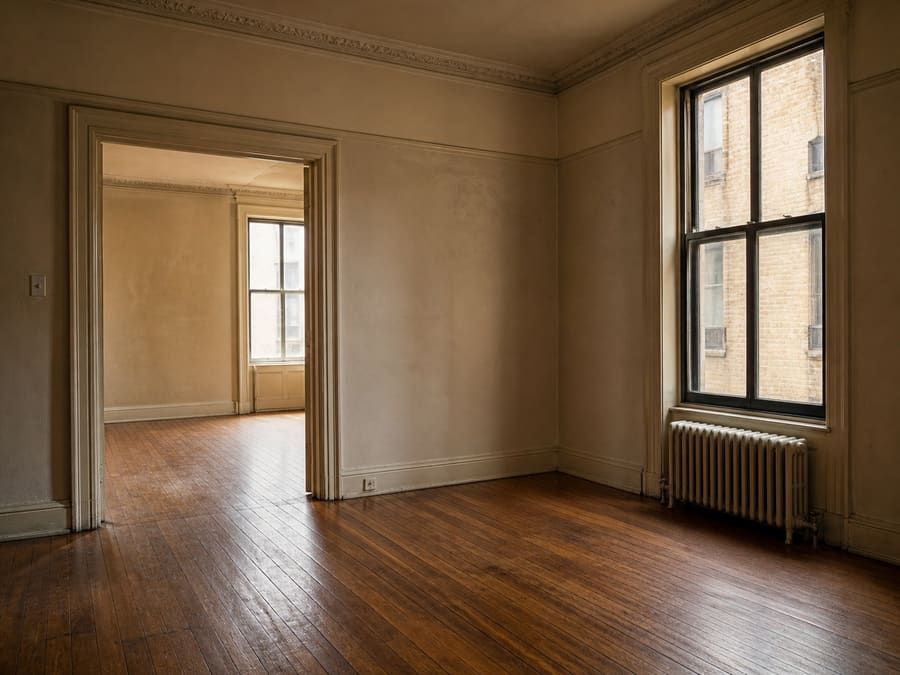
Manhattan
Prewar co-ops and condos, elevator buildings and walk-ups, where board approval and building hours shape the schedule.

Flooring Masters works on wood floors across all five boroughs, from prewar co-op apartments to attached houses and new condo buildings. Before you call anyone, here is what a floor job actually involves.
A name, a number and a line about the room is enough to start.
Most of what people want to know about a floor is decided before anyone picks up a phone. Here is the short version of all four.
A floor that is grey, scratched through the finish or patchy needs sanding back to bare wood. A floor that is dull but sound often needs only a recoat, which is faster and cheaper. A few damaged boards are a repair, not a whole-floor job. Telling these apart is the first thing we do when we look at a floor.
Floor area, the condition of the wood, how many rooms, stairs, whether furniture has to move, and the finish you choose. Nobody can price a floor honestly over the phone without knowing those. What we can do is tell you which of them applies to you.
In a co-op or condo, the board usually wants paperwork before anything starts, and most buildings set their own work hours. In a walk-up, getting machines and material up the stairs shapes the day. We plan around all of it before the first machine arrives.
A recoat is quick. A full sand and finish takes longer, and the wait is mostly the finish curing rather than the work itself. We tell you the real sequence at the estimate so you can plan around it.
Six kinds of floor work, with the three wood floor jobs first: refinishing, installation and repair.

Sanding a tired floor back to bare wood and finishing it again. This is the job that makes an old floor look new, and it is what most people mean when they say they want their floors done.

A new wood floor, solid or engineered. Which one suits you depends on what is under the floor and which level of the building you are on.

Water damage, gouges, loose or squeaking boards and gaps. Often a section can be replaced and blended rather than replacing the whole floor.

A fresh coat of finish without sanding, when the wood underneath is still sound. It is the fastest and least disruptive option, and it is worth asking about before committing to a full sand.

A hard wearing floor that goes down quickly and handles heavy use well.

For kitchens, bathrooms, basements and anywhere water rules out wood.
Not sure which of those your floor needs? Describe it to us and we will tell you.
Call (929) 207-0351All five boroughs. Each one has its own site with the detail for that borough.
Prewar co-ops and condos, elevator buildings and walk-ups, where board approval and building hours shape the schedule.
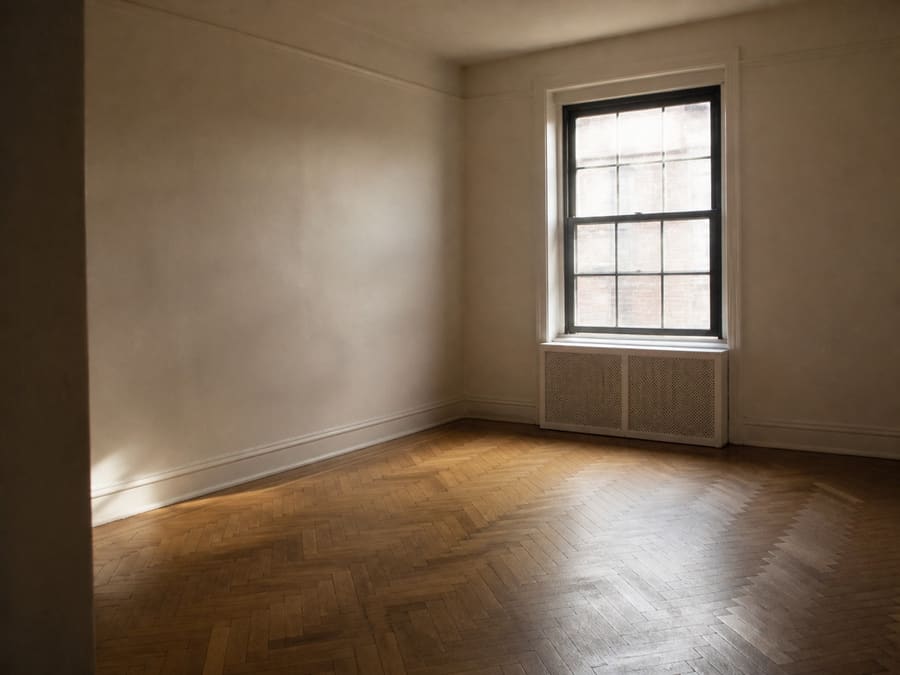
Apartment blocks, two family houses and parquet floors that often have more life in them than people expect.
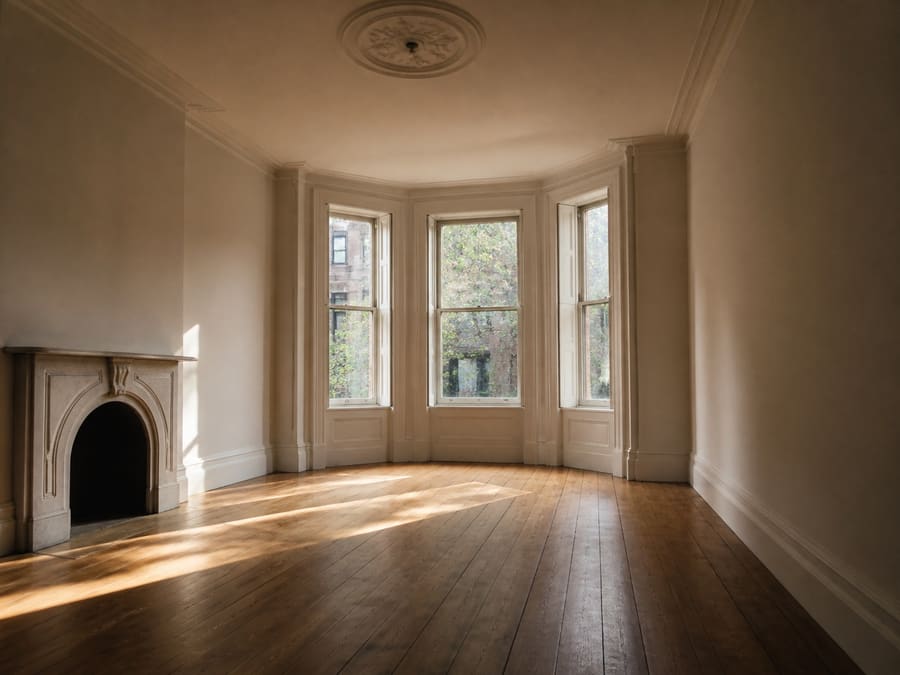
Brownstones and row houses with original boards, alongside new build condos with engineered floors over concrete.
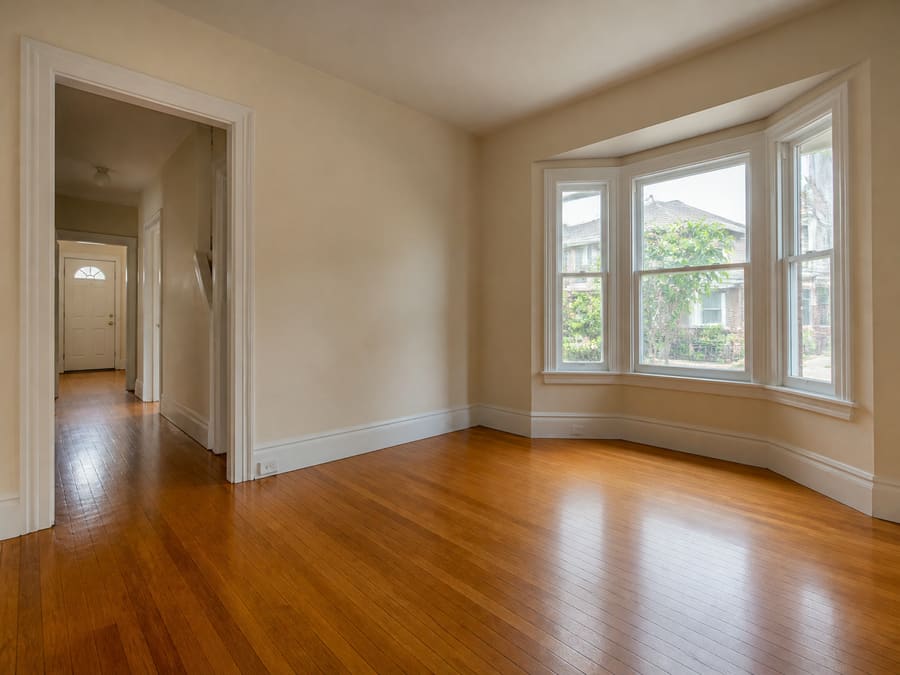
Attached and semi detached houses, garden apartments and co-ops, each with its own access and scheduling reality.
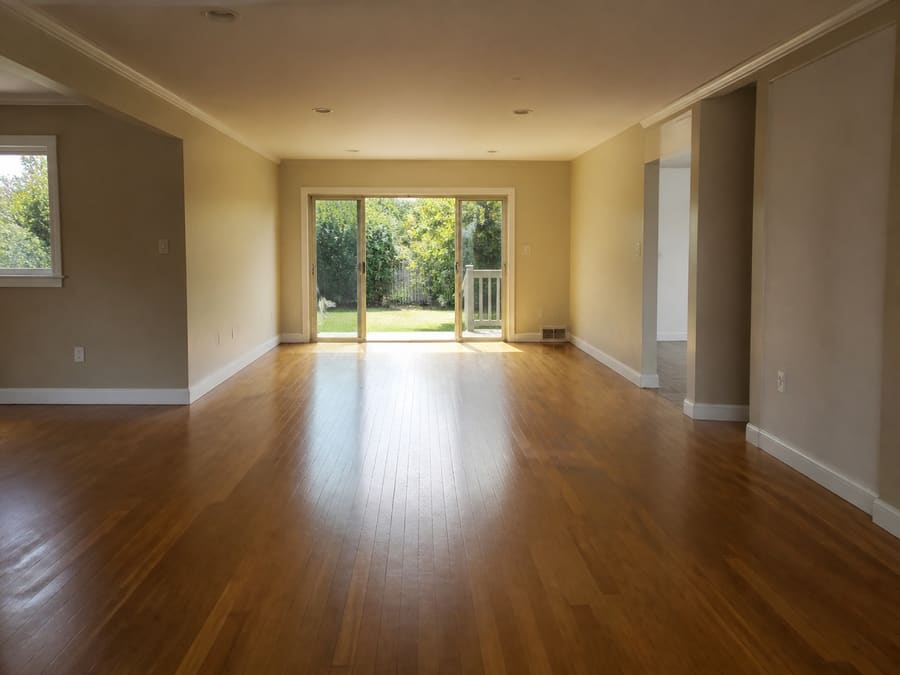
Mostly detached houses, which usually means easier access, fewer building rules and more floor area at once.
We look at the floor before we say anything about price. That means the condition of the wood, how much of it there is, what is underneath, and what the building will allow. A floor that has been sanded three times already needs a different answer from one that has never been touched.
We tell you which job the floor needs, including when that is the cheaper one. A recoat instead of a full sand is a smaller invoice, and it is the right call often enough that it is always worth checking first.
We plan the sequence before anything starts. Where furniture goes, how dust is contained, which rooms are usable on which days, and how machines and material get in and out. In a shared building that planning is most of the job.
We leave the place clean. Modern sanding equipment runs with dust extraction, which takes out most of it, and we handle the rest rather than leaving it for you.
Ready to find out what your floor needs? We will tell you straight.
Call (929) 207-0351It depends on floor area, the condition of the wood, how many rooms and stairs are involved, whether furniture has to be moved, and which finish you choose.
We would rather look at the floor and give you a real number than quote a range that turns out to be wrong. If you tell us the rooms, the rough area and how the floor looks now, we can tell you what your job depends on.
Refinishing is almost always the cheaper of the two when the wood is sound, because the floor you already own stays where it is.
Replacement makes sense when the boards are too thin to sand again, when water has swollen or cupped them badly, or when large areas are missing. We can usually tell which situation you are in by looking.
A solid wood floor can normally be sanded several times over its life, so refinishing gets you a floor that looks new without buying one.
Where it stops being worth it is when there is not enough thickness left above the tongue to sand safely. That is a measurable thing rather than a matter of opinion, and it is one of the first things we check.
You can, and people do. Rental sanders exist and the materials are available to anyone.
The two things that catch people out are the drum sander, which will cut a dip into a floor in seconds if it stops moving, and the finish, which shows every lap mark and piece of dust while it dries. On a small room in a house it is a reasonable weekend project. On a large open floor, or in a building with rules about hours and elevators, it usually costs more to put right than it saved.
Usually. Individual boards can be lifted out and replaced, and a repaired area is then sanded and finished with the rest so it reads as one floor.
Water damage is the common one. If the boards have cupped, they sometimes settle back as they dry, and it is worth waiting to see before deciding how much needs replacing.
In most co-op and condo buildings, yes. Boards commonly want to know what is being done and when, and many set their own working hours and their own requirements about floor coverings.
It is a normal part of the job rather than an obstacle. We work to what your building asks for, and it is worth starting that conversation with your managing agent early, because approval is often the slowest step.
New York City permits construction on a property between 7am and 6pm on weekdays. Work outside those hours needs an after hours permit, known as a variance, from the Department of Buildings or the Department of Transportation.
Individual buildings often narrow that further in their own house rules, so the practical answer is usually set by your building rather than by the city.
Call and describe it, or send the rooms, the rough area and how the floor looks now. We will tell you which job it needs and what that depends on.