
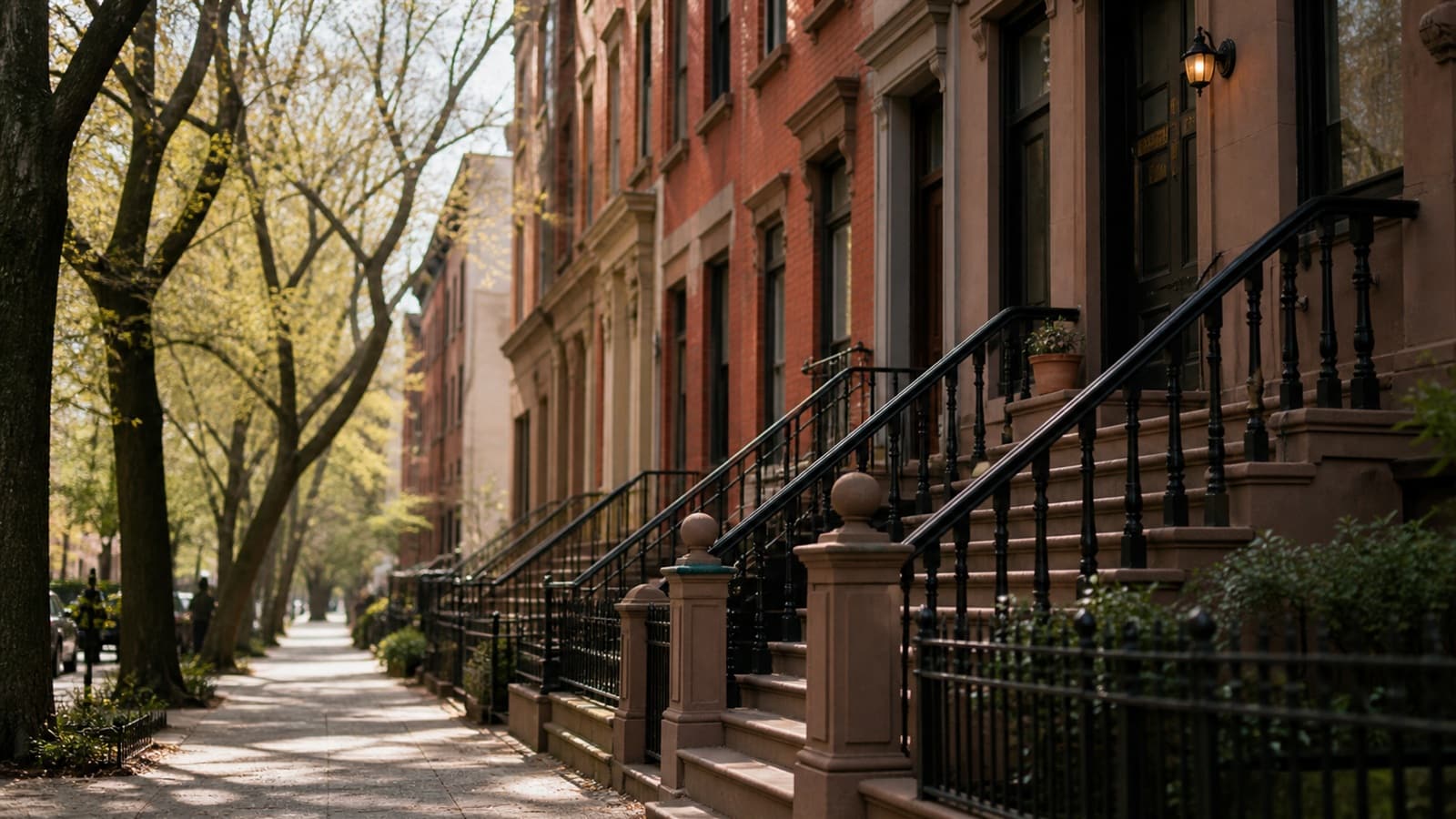
Floor work in all five boroughs
Flooring Masters works on wood floors in all five boroughs, and each one has its own site with the detail for that borough.
The same work, different buildings
The floor work does not change across the city. Sanding is sanding, and a good finish is a good finish in every borough.
What changes is what surrounds it. The building stock is genuinely different from one borough to the next, and that decides access, scheduling, what is under the floor and how much of it can be done at once.
That is why each borough has its own site rather than a paragraph on this one.
Choose your borough
Each site covers that borough in full, including the buildings it is actually made of.
-
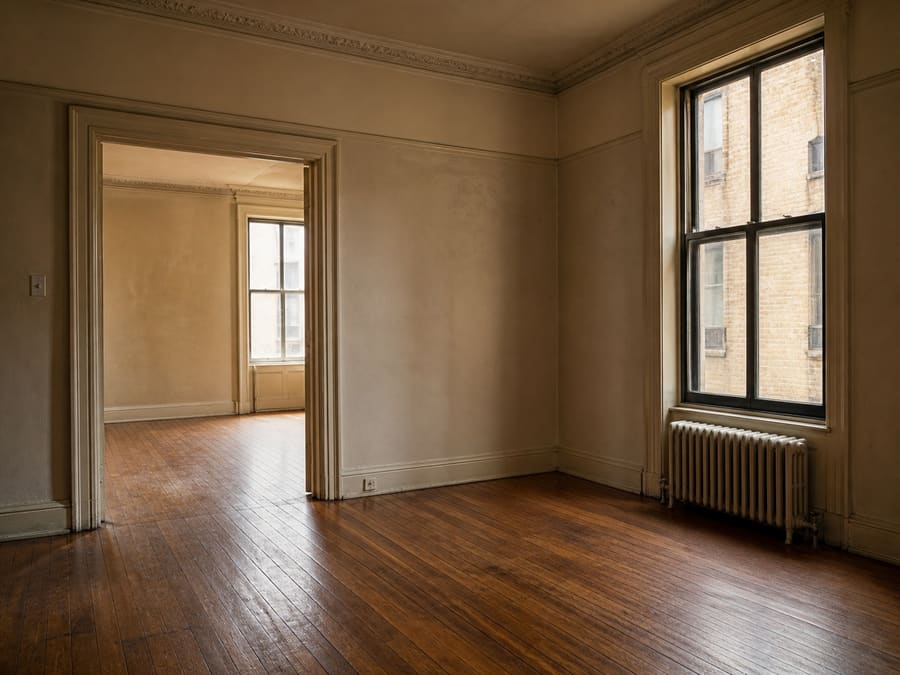
Manhattan
Dense prewar co-ops and condos, elevator buildings and walk-ups. Board approval and building hours usually shape the schedule more than the floor does.
-
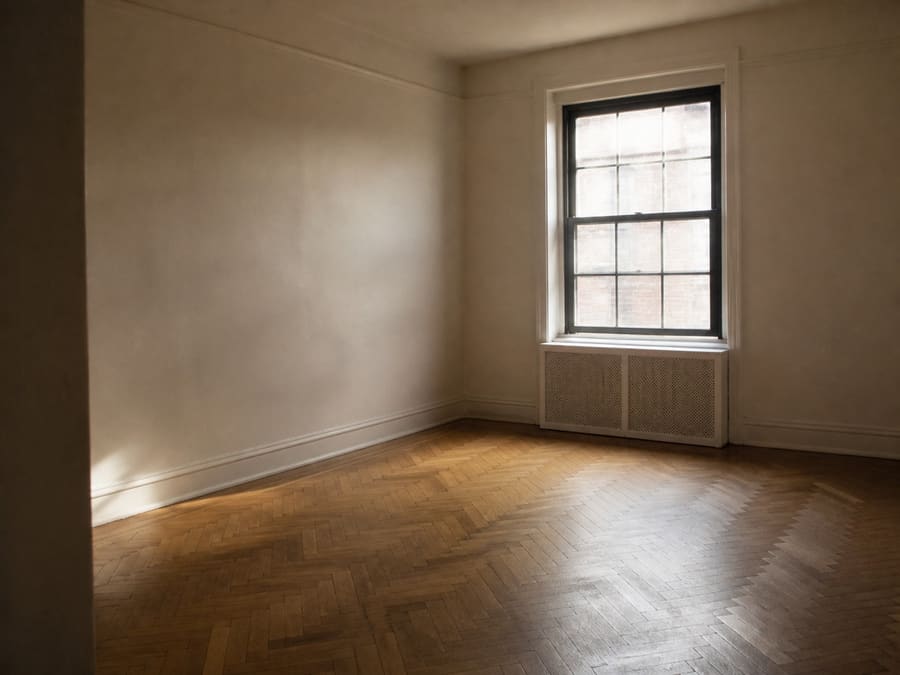
The Bronx
Apartment blocks, two and three family houses, and a lot of parquet that has more life left in it than people assume.
-
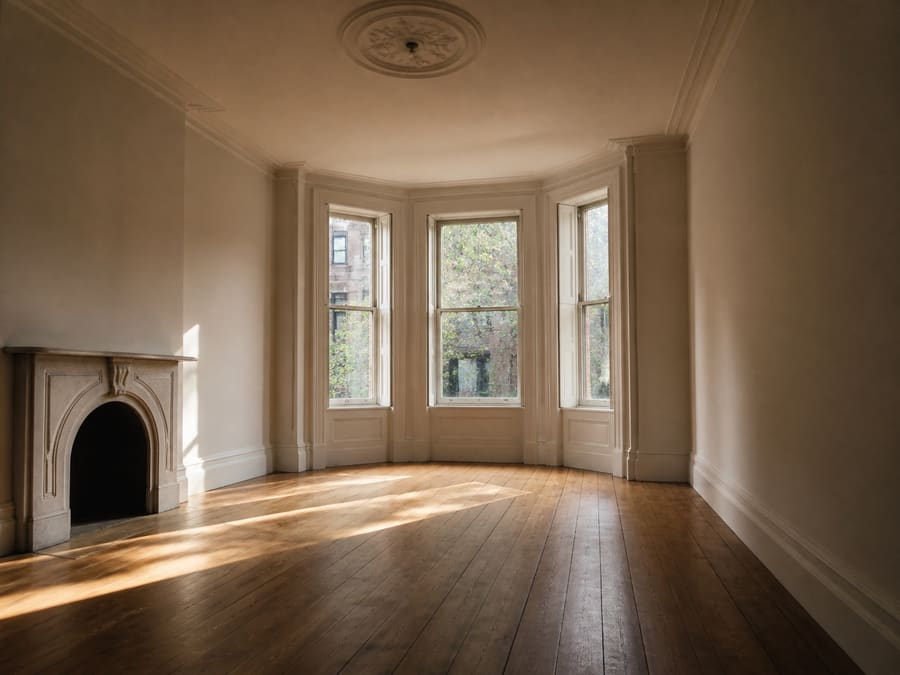
Brooklyn
Brownstones and row houses with original boards worth saving, alongside new build condos with engineered floors laid over concrete.
-
Queens
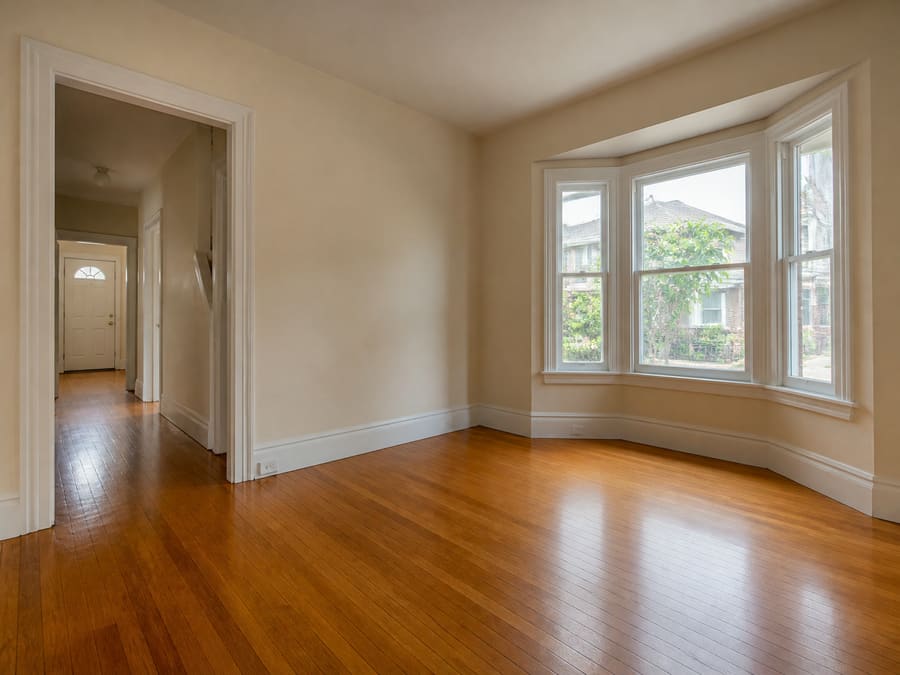
Attached and semi detached houses, garden apartments and co-ops. A wide mix of building types, and a correspondingly wide mix of jobs.
-
Staten Island
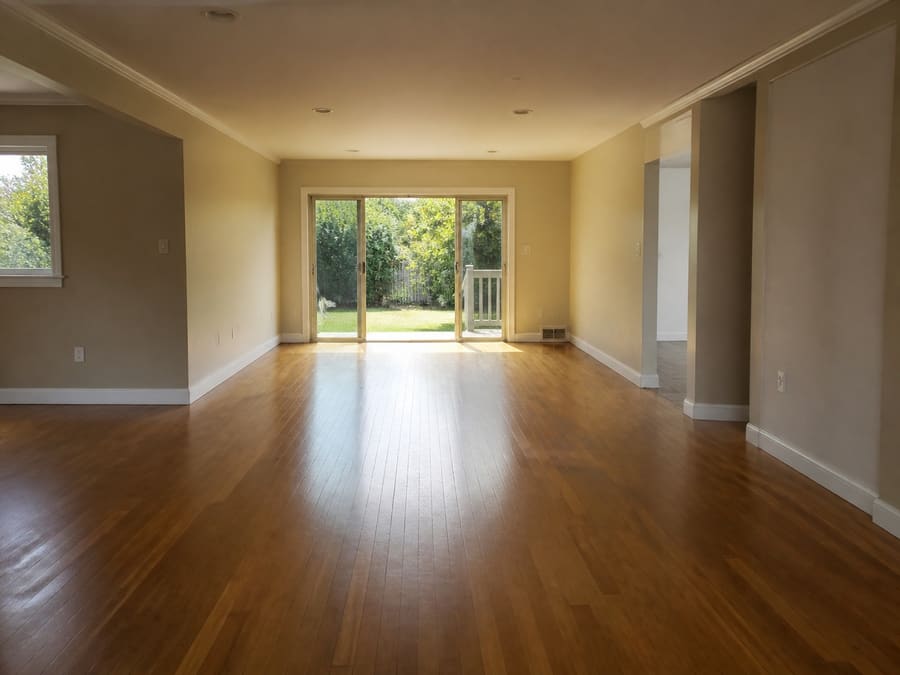
Mostly detached houses. Easier access, fewer building rules, and usually more floor area to do in one run.
Anywhere in the five boroughs. Tell us where you are and what the floor looks like.
Call (929) 207-0351What a New York building asks for before the work starts
In most of this city the floor is only half the job. The other half is the building it sits in, and that part is settled before a single machine arrives.
-
01
Whether the work is approved
In most co-op and condo buildings the board wants to know what is being done and when before it starts. Approval is often the slowest step in the whole project, so it is the first conversation to have with your managing agent rather than the last.
-
02
When the work can happen
New York City permits construction on a property between 7am and 6pm on weekdays, and work outside that window, including weekend work, needs an after hours permit known as a variance. Your building usually sets a tighter window than the city, and that window decides how many days the job takes.
-
03
How the crew and the material get in
A service elevator that has to be booked, a passenger lift with protection requirements, or six flights of stairs with no lift at all. Each of those is a different day, and each one is planned before we arrive rather than discovered on the morning.
-
04
What has to be protected
Lobbies, corridors, lifts and stairwells are shared, and most buildings expect them covered while material moves through. That protection is part of the job and we bring it with us.
What changes by building type
The same floor, three quite different jobs.
Co-op and condo apartments
Board approval, a booked service elevator, defined work hours and protection through the shared parts. Boards also commonly set their own requirements about how much of a floor has to be covered by rugs once the work is done, so it is worth reading your house rules before choosing a finish.
Walk-ups
No lift, so machines, material and waste all go up and down the stairs. Fewer approvals to wait for, and more of the day spent on access. Usually easier to schedule and slower to load in.
Houses
Access is straightforward, the hours are yours, and larger areas can be done in one run. The constraints are practical rather than administrative, mostly about where furniture goes and which rooms you need to keep using.
What is under the floor matters too. Boards over a concrete slab behave differently from boards over joists, and that affects both what can be installed and how a floor is repaired.
How we handle the building side
So it does not become your project to manage.
We ask early
What your building requires, which hours it allows, and whether a lift has to be booked. Before scheduling, not after.
We plan the load in
How machines and material arrive, which route through the building, and what gets protected on the way.
We work to the window
The hours your building allows are the hours we work, and the schedule is built around them rather than against them.
We leave the shared parts as we found them
Protection comes out, corridors and lifts are cleaned, and the only place anything changed is your floor.
What does not change
Wherever you are, we look at the floor before quoting it, we tell you which job it needs including when that is the cheaper one, and we plan the sequence around your building rather than around our diary.
The six kinds of work are the same in every borough. Refinishing, installation, repair, buff and recoat, laminate and vinyl plank.
And the same number reaches us from anywhere in the city.
Tell us where you are
Call and describe the floor, or send the rooms and the rough area. We will tell you which job it needs and what happens next.